
The Difference Between Collaborative Law and Mediation

What’s the difference between collaborative law and mediation in North Carolina? In this video, we break down each process and how they apply in family law matters.

If you're facing a separation or divorce in Raleigh, our team at Charles R. Ullman & Associates is here to help.

πŸ“ Charles R. Ullman & Associates
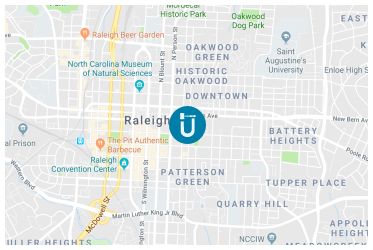
109 S. Bloodworth St., Raleigh, NC 27601
πŸ“ž (919) 829-1006
🌐 https://www.charlesullman.com

Transcript

00:00:02.600 β€” 00:00:10.480
In North Carolina. There is an opportunity for collaborative law, and a lot of times I'll get to ask, what's the difference between that and mediation?

00:00:12.520 β€” 00:01:04.920
My standard response is collaborative law, and its purest sense involves a commitment and an obligation for the people that are involved to try to resolve things without or intervention. At its highest point, the collaborative law could include a provision that the attorneys will withdraw from representation if the parties elect to go to court.

In discussing collaborative law versus mediation with your attorney. It's important to discuss what would happen and what it would mean to you if you entered into an agreement that would say your attorney would have to withdraw if the case goes to court, because that could involve additional expense explaining your case to someone else, and other factors, such as transferring your file to the new attorney that most people may not be comfortable with.

00:01:06.800 β€” 00:03:04.440
It's important to note when we mediate cases, our goal is to not go to court. Our goal is to try to get you to resolve the case with your spouse for something that's reasonable for both you and your spouse, given the circumstances, while recognizing the needs of both parties, both immediately and in the future.

If we enter into a mediation for your case and we're discussing settlement, the good news is 91% of the people walking into my office will never go to court. The bad news is, I never know who the people are that are going to go to court. And that's a result of several circumstances one. The people themselves may be very agreeable and likable, but they have something they fundamentally disagree upon which causes them to go to court.

Two you can find people that are angry at one another, very dissatisfied with one another, and that we generally would describe as contentious with their spouse. However, they've decided that they want to be done more than they want to fight with their spouse, even though they've had a history of high conflict, ugly remarks, and a lot of other things.

They are making the decision. I just want to be done and move on with my life and they settle so you can have the very difficult marriage with very upset people. Settle at a higher frequency than you might think, other than if you were to sit in my office for a year or two. And the other point would be, you can have people that are very nice that really do not have a lot of conflict between the two of them, but simply have sincere differences of opinion about business valuations or other issues of significant consequence to their case, and they are unable to resolve it despite their best efforts.

And they just need a third party to decide.

00:03:05.960 β€” 00:03:56.810
Something that's very important for clients to understand is that in Wake County and in other counties, you must attend a mediation prior to going to court. For property division, it's mandatory. So even if litigation is filed, there'll be an opportunity to have a formal settlement discussion with a trained professional that will go back and forth between the rooms to explore the possibilities for settlement of your case, based on your circumstances and what the experience of all the people involved would say happens in a case in court.

Typically, what the law is and what other people might would find reasonable in your circumstances to settle, and that the mediation, you're free to agree to that settlement. Or you can say that I want to continue on to court.

00:03:58.370 β€” 00:05:34.530
It's a good thing if parties can reach a resolution without going to court. It's typically going to cost less money, take less time, and involve less conflict. It certainly provides an opportunity to preserve the privacy of your financial information from being exposed to the public. It prevents the problems of saying ugly things or things you are uncomfortable saying about your spouse in a courtroom and doing it in a context court, which is inherently conflict driven and adversarial.

If you and your spouse have professionals that are involved, that are experienced and knowledgeable and giving you good advice, the majority of those cases should settle because we should be knowledgeable and able to convey by our positions, are reasonable under the law, and are reasonable for things that we could expect in court and because of our prior experiences in other cases, for what people have settled.

With that said, if the settlement offered does not meet the criteria of what your professional is advising you, then you do have that option of going to court and asking a third party neutral to make a decision for you and your spouse, and that's always appropriate to say no. At a mediation, we look forward to hearing from you through our website, or by calling our office to discuss whether or not your case would need to go to court or benefit from a mediation.

So please call our office or contact us through our website.

[authorsure_author_box]